
Tina Engstrom

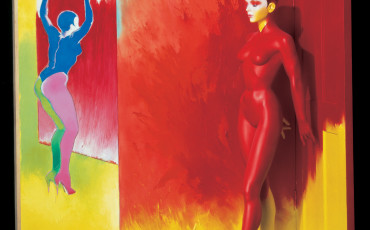
The World Goes Pop Exhibition at Tate Modern

Whaaam! Pop! Kapow! This is pop art, but not as you know it. Tate Modern is ready to tell a global story of pop art, breaking new ground along the way, and revealing a different side to the artistic and cultural  phenomenon.

From Latin America to Asia, and from Europe to the Middle East, this exhibition connects the dots between art produced around the world during the 1960s and 1970s, showing how different cultures and countries responded to the movement. Politics, the body, domestic revolution, consumption, public protest, and folk – all will be explored and laid bare in eye-popping Technicolor and across many media, from canvas to car bonnets and pinball machines.

The exhibition will reveal how pop was never just a celebration of western consumer culture, but was often a subversive international language of protest. The World Goes Pop exhibition is on from 17 September 2015 until 24 January 2016.
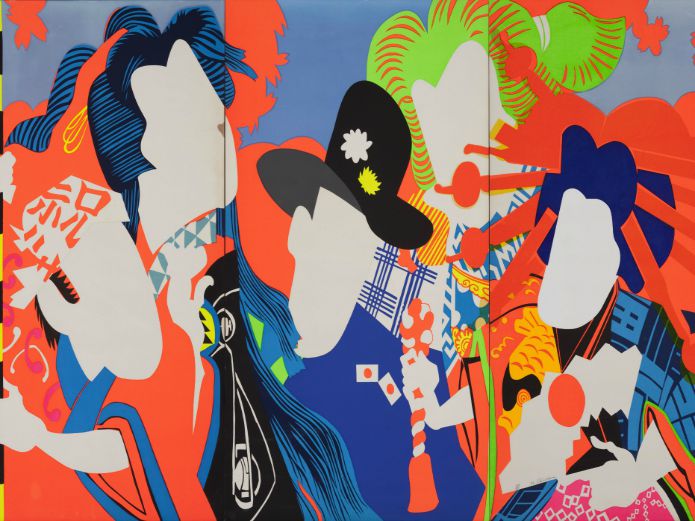
Ushio Shinohara, Doll Festival 1966, Hyogo Prefectural Museum of Art (Yamamura Collection)

Ushio Shinohara, Doll Festival 1966, Hyogo Prefectural Museum of Art (Yamamura Collection). Photo: ©Ushio and Noriko Shinohara.

 

Leave a Reply

Your email address will not be published. Required fields are marked *

You may also like

Rolling Stones Exhibition at Saatchi Gallery

In April 2016 the Saatchi Gallery will host the Rolling Stones exhibition Exhibitionism which will cover their 50-year history through more than 500 articles.

Read more

Returning to the Imperial War Museum London

When the smoke cleared at the end of the First World War, or The Imperial War as it was then known (because it was fought by empires – British, German, and Russian), a shocked Britain was moved to create memorials all over the country. The Imperial War Museum was the grandest of these and was established by an Act of Parliament in 1920. The building in Waterloo was previously the Bedlam Hospital, established by Henry VIII after he dissolved the monasteries in 1533, which accounts for his name above the columned entrance. No tour is complete without him.

Read more