



The Radical Eye: Modernist Photography from the Sir Elton John Collection exhibition is a once-in-a-lifetime chance to see one of the world’s greatest private collections of photography, drawn from the classic Modernist period of the 1920s–50s. An incredible group of Man Ray portraits are exhibited together for the first time, having been brought together by Sir Elton John over the past 25 years, including portraits of Matisse, Picasso, and Breton.
With over 70 artists and nearly 150 rare vintage prints on show from seminal figures including Brassai, Imogen Cunningham, André Kertész, Dorothea Lange, Tina Modotti, and Aleksandr Rodchenko, this is a chance to take a peek inside Elton John’s home and delight in seeing such masterpieces of photography. The Radical Eye: Modernist Photography from the Sir Elton John Collection exhibition is on at Tate Modern 10 November 2016 to 7 May 2017.
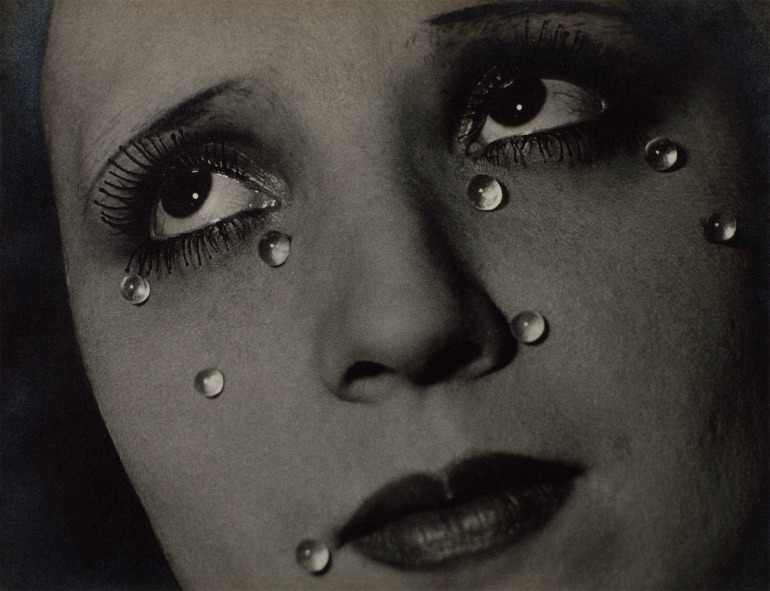 Man Ray 1860-1970, Glass Tears (Les Larmes) 1932. Photo Credit: Collection Elton John © Man Ray Trust/ADAGP, Paris and DACS, London 2016.


Leave a Reply