
Karen Sharpe

Lions in London

Lions are first mentioned in London at the Tower Menagerie in the reign of King John in 1216 and since that time they have not left the city until now.

ZSL London Zoo is building a brand new, 2,500sqm lion enclosureand so its current resident lionesses Ruby, Heidi and Indi will be relocated to a private home at ZSL Whipsnade Zoo, Bedfordshire, while the work is being undertaken. Lucifer, the male, was permanently moved to Paignton Zoo earlier this year – it means that London Zoo will unfortunately be without lions for the first time in living memory until the new exhibit is unveiled in 2016.
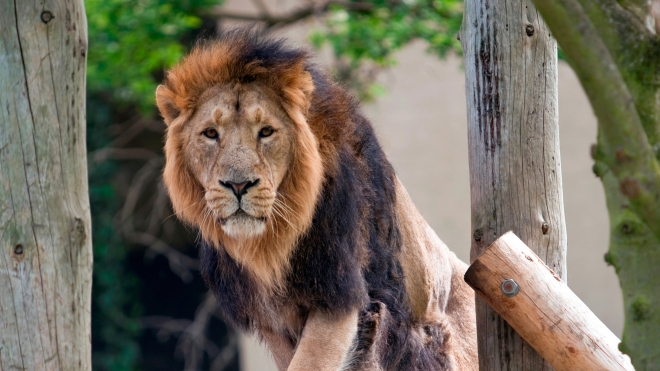
London Zoo: Asian Lions

Asian lion at the London Zoo. Photo: ©ZLS London Zoo.

END

Would you like to explore London and beyond with a highly qualified and enthusiastic Blue Badge Tourist Guide?  Use our Guide Match service to find the perfect one for you!

 

Karen Sharpe

I was born in London and have lived there for most of my life although I have now ‘decamped’ to what is known as the suburbs.
I have worked for an antiques removal/shipping company before joining the Metropolitan Police Force where I enjoyed a varied career for 14years. Since leaving I followed up…

Leave a Reply

Your email address will not be published. Required fields are marked *

You may also like

Three Ships In London To Visit

London is a port city, and Britain became great because of its navy and ability to trade across the globe. The capital’s wealth is built upon that sea trade. There are reminders of London's maritime history everywhere. In Trafalgar Square, we commemorate the 1805 victory (and the death) of Admiral Lord Nelson at the Battle of Trafalgar. At Tower Hill, we remember the 36,000 merchant mariners lost at sea with no known grave. And the Museum of London Docklands examines the triangular trade in goods, sugar and slaves, upon which so much of the city’s wealth was built.

Read more

Inside the BBC: A Trusted British Institution Based in London

The BBC is one of the most trusted of British institutions. ‘I heard it on the BBC,’ is a common claim as to the verity of a statement around the world. The implication is that it must be right because the BBC said it. People trust the organisation in the way they often do not trust statements made by their own governments, where the media outlets are all too often controlled by the very governments who want their statements taken on trust.

Read more