
Karen Sharpe

Lions in London

Lions are first mentioned in London at the Tower Menagerie in the reign of King John in 1216 and since that time they have not left the city until now.

ZSL London Zoo is building a brand new, 2,500sqm lion enclosureand so its current resident lionesses Ruby, Heidi and Indi will be relocated to a private home at ZSL Whipsnade Zoo, Bedfordshire, while the work is being undertaken. Lucifer, the male, was permanently moved to Paignton Zoo earlier this year – it means that London Zoo will unfortunately be without lions for the first time in living memory until the new exhibit is unveiled in 2016.
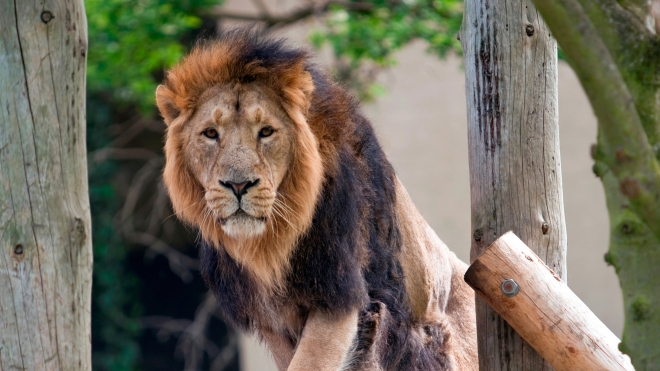
London Zoo: Asian Lions

Asian lion at the London Zoo. Photo: ©ZLS London Zoo.

END

Would you like to explore London and beyond with a highly qualified and enthusiastic Blue Badge Tourist Guide?  Use our Guide Match service to find the perfect one for you!

 

Karen Sharpe

I was born in London and have lived there for most of my life although I have now ‘decamped’ to what is known as the suburbs.
I have worked for an antiques removal/shipping company before joining the Metropolitan Police Force where I enjoyed a varied career for 14years. Since leaving I followed up…

Leave a Reply

Your email address will not be published. Required fields are marked *

You may also like

Dragons To Return To The Great Pagoda At Kew Gardens

It was one of the jewels in the crown of Georgian London: a building so unusual that a suspicious public were unconvinced it would remain standing when it was built in 1762.  Designed at the height of the 18th century craze for Chinoiserie, The Great Pagoda at Kew was famously adorned with 80 brightly coloured wooden dragons. The eye-catching dragons were the talk of the town for 20 years, before disappearing in the 1780s, rumoured to be payment for the Prince Regent’s gambling debts.

Read more

Top 10 Facts About London’s Modern & Contemporary Architecture

Of all the European capitals, London is arguably the one with the greatest architectural variety, be it residential, commercial or public buildings. What adds to the impression of an incessantly ‘creative kaleidoscope’ is the juxtaposition of old and new, of a mediaeval church next to a 21st century glass building or a Roman ruin in the middle of a 1970s Brutalist development.

Read more